Let me tell you small about the skin

The skin is one of the largest organs in the body in surface area and weight. The skin consists of two layers: the epidermis and the dermis. Beneath the dermis lies the hypodermis or subcutaneous fatty tissue.
The epidermis, the outermost layer of skin, provides a waterproof barrier and creates our skin tone. The dermis, beneath the epidermis, contains tough connective tissue, hair follicles, and sweat glands. The deeper subcutaneous tissue (hypodermis) is made of fat and connective tissue
The dermis is a tough layer of skin. It is the layer of skin you touch when buying any leather goods. The dermis is composed of two layers. They are the papillary layer (the upper layer) and the reticular layer (the lower layer)
FACTORS THAT AFFECT THE SKIN
Factors that Affect Your Skin #1 Age
Everybody ages. However, understanding the impacts that ageing has on your skin will help you heaps. With time, your skin:
Becomes thinner, making blood vessels prominent and pores larger
Shows slower signs of regeneration and renewal
Retains less water, thus drying up and dehydrating easily
Starts wrinkling and sagging
Slows down on collagen production, thus losing out on elasticity
The situation might seem pretty glum, and unfortunately, we have no happy surprises to throw your way. However, following a consistently efficient skincare routine will help dalay premature aging. We promise.Tip: Remember that skincare in your 20’s will largely reflect in later stages of your life.
Factors that Affect Your Skin #2 Skin Type
Understanding your skin type; is the stepping stone to achieving flawless skin. It is also possible that your skin type changes with shifting seasons and environments. Irrespective, here’s how skin types affect your skin:
Dry Skin: Frequent itching and flakiness, roughness, tendency to crack especially around winters, earlier signs of ageing and wrinkling.
Oily Skin: Acne-prone, clearly visible and often enlarged pores, problems of hyperpigmentation.
Combination Skin: Flakiness in winter climates, clogged pores and acne, and a whole lot of confusion.
Normal Skin: Generally well-balanced; but often gets drier with ageing.
Know that irrespective of your skin type, there’s a right way to care for it.
Factors that Affect Your Skin #3 Ethnicity
This one’s rather less spoken about, yet super interesting. Your ethnic origins influence the structure and appearance of your skin and how your skin reacts to the sun, causing different levels of sun damage.
It has been shown that darker skin (think people of Hispanic, African origins) contains more melanin - the pigment that gives skin its natural skin tone. This acts as both a blessing and a curse – on one hand, the skin is better protected from UV rays, thus delaying signs of ageing. On the other, pigmentation problems become more profound.
Conversely, age spots are more visible on Caucasian and Southwest Asian skins than on darker skin types. Furthermore, due to their desire for tanning, risks to skin cancer are higher.
Factors that Affect Your Skin #4 Natural Skin Tone
A trip to the beach might make you wonder why some people get sunburns, and some get suntans. Your natural skin tone is one of the key factors that affect your skin.
Let’s talk about melanin once again.
In darker skin tones, a higher melanin content protects the skin from sun damage and causes it to tan. This is why darker-skinned people usually turn darker or tan on spending hours in the sun.
In lighter skin tones, a lower melanin content leads one to turn red or burn when they go out in the sun.
Irrespective of your skin tone, we’d urge you to never let go of your beloved sunscreen bottle. Sometimes, clingy is great! 😉
Factors that Affect Your Skin
5 #STREES
Today, we’re quite aware of the undeniable link between the mental and the physical. When stress takes over you, your body is bound to respond. Unfortunately, the skin is no exception.
Stress leads to hormonal changes, which in turn cause acne breakouts. Furthermore, things are often made worse by excessive perspiration, overconsumption of dehydrators like coffee and alcohol, insufficient sleep, and a neglected skincare routine.
Factors that Affect Your Skin #6 Sleep Cycle
Skincare experts have always stressed on the importance of sleep. We’d like to reiterate that by saying – beauty sleep is real.
While you’re sleeping away in glory, your skin is on to some serious work. Growth hormones help repair and renew damaged skin cells, and hydration and collagen levels are restored. Furthermore, lack of sleep also accelerates skin diseases like eczema and psoriasis.
So, the next time someone calls you a sleeping beauty, tell them why you love your sleep.
THESE ARE SOME OF COMMON SKIN DISEASES WE HAVE
1. Acne (Acne vulgaris)
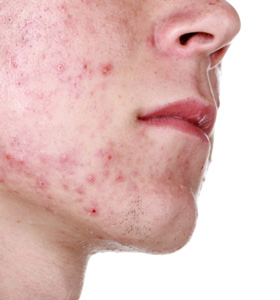
Acne, the most common skin disorder in the U.S., can be a source of anxiety for every teen. Plus, the incidence of acne is growing in adults, too.
Acne is caused by blocked hair follicles and oil (sebaceous) glands of the skin, often triggered by hormonal changes. The term acne refers to not only pimples on the face, but blackheads, cysts, and nodules as well. Some people get acne on other parts of their body too, such as the back and chest.
2.Shingles (Herpes Zoster)
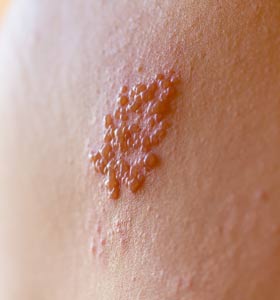
Shingles virus results in a red, blistered rash that may wrap around your torso or appear anywhere on your body. A fever, fatigue and headache may occur, too.
3.Hives (Urticaria)
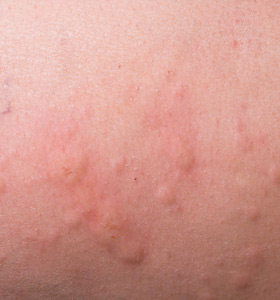
4 #Rosacea
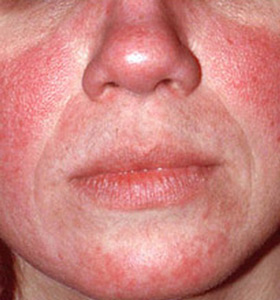
5 #Pimples ; A pimple is a small pustule or papule. Pimples develop when sebaceous glands, or oil glands, become clogged and infected, leading to swollen, red lesions filled with pus. Also known as spots or zits, pimples are a part of acne. They are most likely to occur around puberty, but they can happen at any age
WE HAVE WONDERFUL AMAZING NATURAL PRODUCTS THAT WILL HELP YOU TO OVERCOME IT WITHOUT ANY SIDE EFFECTS

Make money from your blog by using our ads system, its free just visit
ReplyDeletehttps://page.co/qgj2sb
okay
Delete